Guide to Tāwharanui Regional Park
On a wild peninsula an easy drive north of Auckland, Tāwharanui Regional Park blends white-sand surf beaches, rolling pasture, coastal forest and a protected marine reserve into one unforgettable stop. It is both an open wildlife sanctuary and a working farm, which means you can wander among birdsong in the morning, picnic in the shade of pōhutukawa at lunch, and watch surfers carve the evening light at Anchor Bay.
For motorhome travellers, it is the ideal mix of freedom and comfort, with beachside walks, clear-water swims and starry nights all within reach of your parked home on wheels.
Why do people go to Tāwharanui Regional Park?
People come for the feeling of escape. The park sits at the end of a rural peninsula, far enough from the city to feel remote yet close enough for a relaxed day trip or an easy first stop on a Northland road journey. Its open sanctuary status means predator control is active, so native birdlife thrives. You are likely to hear tūī and bellbirds calling from the canopy as you move from grassy headlands to pockets of bush and regenerating wetlands. That living chorus, paired with big Hauraki Gulf views, is what makes Tāwharanui stand out.
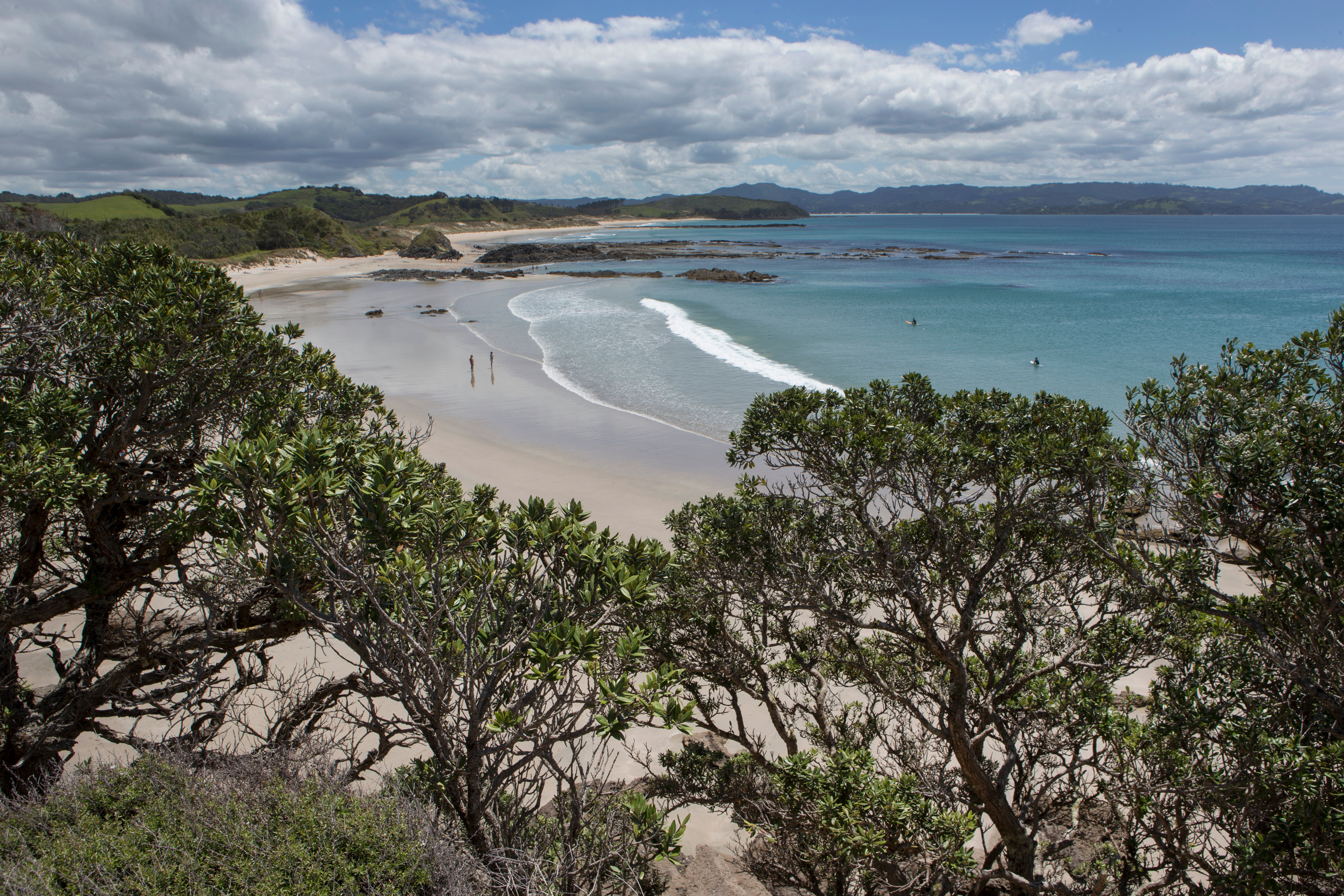
Anchor Bay is a major drawcard. This long crescent of soft, pale sand is framed by rocky headlands and backed by lawns shaded by gnarled pōhutukawa. On calm days, the water is typically clear and inviting for swimming or for carefully snorkelling near the low-tide rock shelves. Be aware that the beach is unpatrolled, and rips can occur, especially near rocks. When the swell rolls in, surfers paddle out to friendly beach breaks. Families find easy spots to spread a picnic, couples wander the shore at sunset, and photographers chase the changing colours of sea and sky.
Beyond the beach, the variety of landscapes keeps days interesting:
Coastal bluffs and headlands for big Hauraki Gulf views
Farm paddocks and open ridgelines that feel far away from Auckland
Forest and wetlands with excellent birdlife
A no-take marine reserve along the northern coastline (no fishing or collecting)
It is a place where you can do a lot or very little, and both feel equally worthwhile.
How long should I spend at Tāwharanui Regional Park?
If you are short on time, you can enjoy a satisfying taste of the park in a single visit. Allow 1-2 hours to walk the Ecology Trail loop near Anchor Bay, then cool off with a swim and a relaxed picnic under the pōhutukawa. This gives you coastal views, a stroll through native bush and time on the sand without rushing.
With half a day or more, you can add the West End Track for headland vistas, or link coastal and farm sections to make a longer circuit. Keen walkers often take on the South and North Coast loop, which is around 9-10 km and typically 3-4 hours long, traversing pasture, bush and wetland with wide Gulf panoramas along the way. Finishing with a dip in Anchor Bay’s clear water is a favourite reward.
For full immersion, consider staying a night or two at the on-site campground. Summer evenings bring long golden light, the sound of surf at bedtime and excellent stargazing away from city glow. Staying over also builds flexibility into your plan for tides and weather, and lets you enjoy quiet early mornings on the tracks before most day visitors arrive. Book well ahead in peak season, as sites are popular when school holidays and warm water coincide.
How to get to Tāwharanui Regional Park
From Auckland, drive north on State Highway 1 to Warkworth, then turn east toward Matakana. The route passes vineyards, markets and cafes before continuing along rural roads toward the peninsula. The final approach along Takatu Road is narrow and winding in places, so take your time and enjoy the scenery. The main entrance is at 1181 Takatu Road, where you pass through the park gate and continue to the woolshed area and car parks.
Allow about 1.5 hours from the city in normal traffic. Stock up on fuel and groceries in Warkworth or Matakana, as there are no shops in the park. The main gates open at 6 am and close at 9 pm during daylight saving time, and 7 pm during standard time. Plan to arrive and leave within those hours if you are visiting for the day. The roads are suitable for campervans, but Takatu Road can be narrow in places, so keep speeds modest and be courteous with oncoming vehicles.
Best time to visit Tāwharanui Regional Park
Late spring to early autumn (roughly November to March), offers the best blend of warm temperatures, settled weather and long daylight hours. Expect daytime highs in the low to mid 20s Celsius through summer, which is ideal for swimming, snorkelling and relaxed coastal walks. This is also peak visiting season, especially during December and January, so secure your maui motorhome early and book the campground well in advance if you plan to stay over.
Spring brings lively bird activity and wildflowers on the edges of tracks. Autumn is often calmer and quieter, with soft light that suits photography and walking. Winter can be beautiful in a moody way, just expect muddier trails and faster weather changes.
Whenever you visit:
Check tide times if you’re doing beach/rocky shoreline sections (some are best mid-to-low tide)
Expect pest-control operations and follow all posted notices and do not touch any equipment
The marine reserve is a no-take zone for the public.
Weather in Tāwharanui Regional Park
Tāwharanui sits within Auckland’s subtropical climate zone, which means warm, often humid summers and mild winters. Rain is possible in any month, and coastal winds can freshen quickly. Summer highs generally sit around 22-25°C, while winter days are more likely in the 10-15°C range. Conditions can change across a single day, so travel prepared.
For comfort on the tracks and beach, pack breathable layers, a light rain jacket, a hat and sunglasses, along with broad-spectrum sunscreen. The sun can be intense even on cloudy days. Summer provides generous daylight of 14-15 hours, perfect for slow mornings and unhurried afternoons. In winter, daylight drops to around 9-10 hours, so start earlier if you plan a longer circuit and always carry a headlamp just in case.
Best things to do at Tāwharanui Regional Park
Make Anchor Bay your first stop for a sense of the park’s beauty.
At low tide, explore the rock shelves near the ends of the beach, especially around the southern platforms, to discover small fish, anemones and crabs in the pools.
The marine reserve protects this shoreline, creating great snorkelling in calm conditions. When the wind and swell align, surfers find fun peaks along the bay, while bodyboarders play in the shorebreak.
Between swims, the grassy banks shaded by pōhutukawa make easy picnic spots with ocean views.
For walkers:
The Ecology Trail is a classic loop that threads together beach, rocky shoreline, bush and coastal viewpoints in about an hour and a half at a relaxed pace.
The West End Track heads out to the western headlands for sweeping vistas and a good chance of spotting seabirds riding the breeze.
With more time, link the coastal and farm sections into the South and North Coast loop. This longer outing covers around 9-10 km and blends cliff-top outlooks with quiet bush corridors and wetland boardwalks.
Wildlife is a highlight throughout. In the forested pockets, listen for tūī and bellbirds, and watch for kererū swooping between trees. Along the shore, keep an eye out for oystercatchers and the threatened New Zealand dotterel. In summer, parts of some beaches may be fenced to protect nesting areas. Give these zones space and follow any diversion signs, then return to the sand beyond the roped sections to continue your walk.
Best place to park your campervan at Tāwharanui Regional Park
The on-site campground is the ideal base for maui motorhome travellers. Set behind the dunes on the park’s north coast, it offers grassy sites separated by native plantings and an all-modes area for vehicle-based camping, with self-contained campervans accommodated.
You will be close enough to hear the surf at night and can wander over the dunes for sunrise coffee on the beach. Bookings are essential year-round and open up to six months ahead. After booking, you will receive a gate code for the locked campground entrance. Check-in is from 11 am, with check-out by 11 am the day you depart.
Facilities are simple and in keeping with the park’s conservation focus. Expect treated drinking water taps and vault toilets, including some accessible options. There are no powered sites or showers, so arrive self-contained with your maui campervan and top up supplies before you drive in.
Day visitors should use the regular car parks just inside the entrance or near Anchor Bay and must exit before the main gates close in the evening. Overnighting outside the campground is not permitted within the park, and roadside freedom camping is not allowed here.
If the campground is full, look to nearby Matakana or Warkworth for holiday parks and campgrounds within a 20 to 30 minute drive. These towns also make handy bases for stocking up on fresh market produce and local wine before returning to watch the sunset over Anchor Bay from your camp chair.
Entry fees and permits
Entry to Tāwharanui Regional Park is free for day visitors. Camping is bookable and charged per night via Auckland Council’s booking system. No separate permits are required to enjoy the tracks, beaches and picnic areas during opening hours.
Open fires are not permitted in Auckland regional parks, though gas-fuelled barbecues are allowed in designated areas. Pets are strictly prohibited because Tāwharanui is an open sanctuary, and the marine reserve on the north coast is a no-take zone for the public. That means no fishing, collecting shellfish or removing any marine life. Please respect all posted notices and follow track markers to help protect this special place.
Safety and things to watch for
Many of the coastal tracks are unpaved and include uneven ground, rocks and tree roots. Sturdy walking shoes make the day far more comfortable. On parts of the Ecology Trail, beach sections are easiest at low tide, and rocky segments can be slippery after rain. If the tide is high, follow the marked detours through the dune forests rather than trying to push on along the shore.
Some routes cross working farm paddocks where you may encounter stock. Use stiles or gates where provided and leave gates as you find them. In summer, sections of the beach may be roped off to protect nesting shorebirds. Give these areas a wide berth and enjoy birdwatching from a respectful distance. Across the sanctuary, you will see bait stations and traps used for predator control. Do not touch any equipment and supervise children closely.
Coastal weather and surf can change quickly. Carry water, sun protection and an extra layer for wind. Keep well back from cliff edges and be mindful of slippery rocks near the waterline. If you plan to swim, choose lifeguarded conditions where available, stay within your ability and avoid isolated rock platforms when swell is running. A little preparation goes a long way toward a safe, memorable visit.
From sanctuary birdsong to turquoise shallows and sweeping headlands, Tāwharanui Regional Park is a gem that rewards every type of traveller. In a maui campervan, you can linger for sunset, sleep to the hush of the surf and wake steps from the sand, with all your gear onboard for an unhurried day on the tracks and in the water. Plan your dates, book your campsite ahead of time, and let this peninsula be the spark that sets your North Island road trip in motion.
FAQs and quick answers
Can you camp at Tawharanui?
Yes, there’s a bookable campground inside the park (including vehicle-based camping), and you’ll receive a gate code with your booking confirmation.Can you swim at Tawharanui?
Yes, especially at Anchor Bay in calm conditions but it’s an unpatrolled beach and rips can occur, so follow local safety advice and swim within your ability.How to see kiwi at Tawharanui?
Your best chance is after dark if you’re staying overnight: go quietly, avoid white light (use a red-filter torch), and keep expectations realistic - it’s always luck and patience.Can dogs go to Tawharanui?
No. Dogs and all pets are prohibited at all times (including in vehicles) because Tāwharanui is an open sanctuary.
Road trips that pass through
Auckland to Northland road trip itinerary
