Guide to Ningaloo Reef
On Western Australia’s remote Coral Coast, Ningaloo Reef rewards those who make the journey with crystalline lagoons, sweep after sweep of ivory sand, and wildlife encounters that feel straight from a nature documentary. This is one of the world’s largest fringing reefs, so you can slip on a mask and step straight from shore into a garden of coral, tropical fish, and cruising sea turtles. Come for the colour and clarity of the water, stay for the thrill of swimming alongside gentle giants in season, and spend your evenings stargazing from your beachfront campsite.
For road trippers, Ningaloo is a great fit for a maui motorhome adventure, with easy shoreline access, classic outback-meets-ocean scenery, and campgrounds that put the reef right on your doorstep.
Why do people go to Ningaloo Reef?
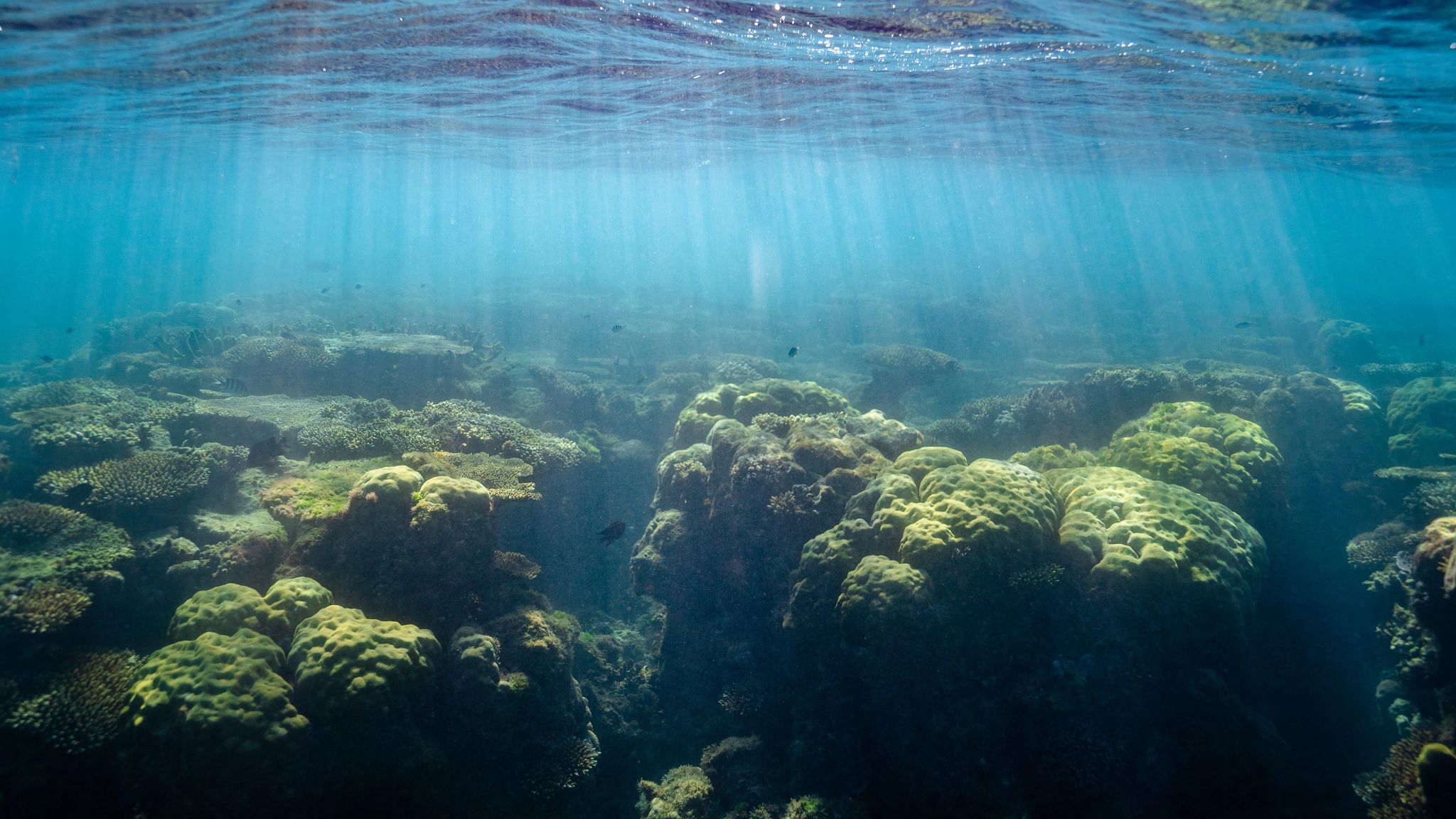
Ningaloo’s magic starts with access. Unlike many barrier reefs that sit far offshore, this World Heritage-listed fringing reef hugs the coast. In places like Turquoise Bay, the coral garden begins only a few fin-kicks from the sand, so even first-time snorkellers can drift over an aquarium of branching corals and shimmering schools of reef fish. The calm, gin-clear lagoons make it easy to immerse yourself in the underwater world, whether you prefer a relaxed float, a guided glass-bottom boat cruise, or a certified dive on one of the region’s famed sites.
Then there is the wildlife. Ningaloo is renowned for bucket-list swims with whale sharks in autumn and early winter, manta rays gliding through cleaning stations, and humpback whales cruising by later in the season. Turtles can be seen in Ningaloo’s shallow lagoons throughout the year, with nesting and hatching season typically running from around December to March, and dugongs forage in the seagrass shallows.
On land, the red limestone of Cape Range National Park rises behind the beaches, where gorges cut through the range and kangaroos, emus, and rock-wallabies roam. It is a rare coastline where desert and reef meet so dramatically, and where a single day can include a sunrise hike in a limestone canyon and a sunset snorkel with turtles.
How long should I spend at Ningaloo Reef?
A stay of around 4 to 7 days is a great way to experience the area at a relaxed pace. That gives you time to sample several shore snorkel sites, book a full-day swim-with-whale-shark or whale-watching tour in season, wander the gorges of Cape Range National Park, and enjoy a few slow afternoons on the sand. Extra days also provide a buffer for wind or swell, which can influence visibility and tour schedules.
If you are short on time, it is still possible to see some of Ningaloo’s standout experiences in 1-2 days. Base yourself in Exmouth or Coral Bay, pick one signature shore snorkel like Turquoise Bay, add a half-day cruise or glass-bottom tour, and catch a sunset at Vlamingh Head Lighthouse.
How to get to Ningaloo Reef
There are two handy hubs for Ningaloo. Exmouth sits at the northern end of the reef and is the main gateway for Cape Range National Park and many tour operators. Coral Bay lies to the south and offers a compact, walkable village feel with the reef just off the beach.
Driving is a classic way to reach the reef. From Perth, it is about 1,200 km north via the North West Coastal Highway, typically a 12 to 14-hour journey that pairs well with a maui motorhome itinerary. Break the trip with coastal stops, stock up on supplies in larger towns, and arrive ready to settle into a beachfront campsite. Public transport is limited, so self-driving or pre-booked tours are the most reliable options once you are on the coast.
Best time to visit Ningaloo Reef
April to October is generally considered one of the best times to visit Ningaloo Reef, thanks to warm, sunny days, relatively dry weather, and good conditions for shore snorkelling, boat trips, and hiking the gorges. Wildlife seasons also line up well with this period. Whale sharks typically arrive from late March through July, with tour operators offering daily trips when conditions allow. Humpback whales pass through from about June to November, bringing breaching displays offshore and opportunities for whale-watching cruises.
Summer from November to March brings hot conditions that regularly push into the high 30s Celsius, sometimes higher, and the potential for tropical systems. It is still possible to enjoy the reef at this time, especially early and late in the day when winds are gentler, and temperatures are kinder, but plan for heat management, carry more water than you think you need, and build flexibility into your days. If you visit in late winter or spring, you may also catch wildflowers blooming across the cape, a beautiful contrast to the turquoise water.
Weather in Ningaloo Reef
Ningaloo enjoys a mostly dry, subtropical climate with abundant sunshine through the year. Sea temperatures are generally warm for much of the year, making snorkelling and swimming possible across the seasons, though conditions vary by month. Rainfall is generally low, and when showers do arrive, they tend to be brief.
Summer is hot, and glare is intense, so sun protection is non-negotiable. Wear a long-sleeve rash shirt, reapply reef-safe sunscreen, and seek shade during the middle of the day. Wind can pick up in the afternoons, which is another reason to plan snorkels earlier. On any visit, carry ample drinking water, particularly inside Cape Range National Park, where there is no potable supply at beach car parks or campgrounds.
Things to do at Ningaloo Reef
Swim with megafauna: If your timing aligns, a full-day whale shark trip is an unforgettable way to meet the reef’s gentle giants. Operators use spotter planes or experienced crews to find the fish, and small groups rotate in the water for a respectful swim. Later in the season, swap whale sharks for humpback whale watching, with the chance to see tail slaps, breaches, and mother-calf pairs moving along the coast. Manta rays are encountered in several areas throughout much of the year and often circle cleaning stations in clear water, a mesmerising sight for snorkellers.
Shore snorkelling and diving: Turquoise Bay is the headline act for good reason, with a lagoon of clear water and coral bommies that sit close to the sand. Nearby, Oyster Stacks and Lakeside offer more superb snorkelling when tides and conditions suit. For divers, Exmouth’s Navy Pier is frequently listed among the world’s best shore dives thanks to a rich mix of marine life under the structure and reliable visibility when access is available through licensed operators.
Explore Cape Range National Park: Trade fins for hiking shoes and head into the gorges. Yardie Creek Gorge is a standout, where an hour-long boat cruise takes you beneath ochre cliffs and past nesting birds and sunning rock-wallabies. Mandu Mandu Gorge offers a satisfying 3 km loop with views over the range and a good chance of spotting wildlife in the early morning or late afternoon. Between walks, pull into white-sand beaches for a picnic and a cooling swim.
Scenic viewpoints and turtle encounters: Vlamingh Head Lighthouse is a spectacular perch for sunrise and sunset, and during whale season it doubles as a shore-based lookout. The Jurabi Turtle Centre near the peninsula’s west side provides year-round displays on turtle conservation and, during turtle season, guided night experiences to view nesting or hatchlings under strict, wildlife-friendly protocols. It is an inspiring way to learn how to protect the reef residents you have met in the water.
.jpg "Ningaloo,-WA_Image3-(5).jpg")
Entry fees and permits
Most coastal access within Cape Range National Park requires a park entry fee, which is charged per vehicle per day. If you plan to visit over multiple days, consider a multi-day or regional parks pass for better value. The marine park itself does not have a separate admission fee, although sanctuary zones and boating rules apply, so always check local signage before entering the water or launching a vessel.
Camping inside Cape Range National Park incurs an additional per-person nightly fee. Sites are simple and scenic rather than serviced, which is part of the charm. Check availability and book well ahead during peak months, as waterfront campgrounds are extremely popular.
Best place to park your motorhome at Ningaloo Reef
Exmouth makes a practical base for motorhome travellers. In town, you will find well-equipped holiday parks with powered and unpowered sites, hot showers, laundry facilities, and easy walking access to shops and cafes. These parks suit travellers who want comfort between day trips into the national park and out to the reef. Booking ahead is wise in school holidays and during whale shark season.
For a beachfront wake-up with the reef at your doorstep, look at campgrounds within Cape Range National Park. Osprey Bay is a favourite for its oceanfront outlook and quick access to snorkelling. Kurrajong offers a quieter stretch of coast with broad views and easy beach walks. Facilities are basic, typically pit toilets without power or drinking water, so arrive self-sufficient with full freshwater tanks and charged batteries. Demand is high from April to October, and many campers secure spots months in advance.
Further south, Coral Bay People Park places you a short stroll from the beach and the village centre, a relaxed option if you prefer to park up and walk to everything. If you are chasing solitude, the coastal station and reserve camps along the Ningaloo shoreline deliver wild, wide-open beach sites with simple facilities for a modest fee. These spots are stunning for sunset, stargazing, and dawn swims, and they benefit from advance online booking where required. Wherever you stay, leave no trace, respect wildlife, and keep to designated sites to help protect the fragile dune systems.
Good to know and safety tips
Conditions can change quickly on the coast. Always check local notices at car parks for tide, current, and wildlife advisories before entering the water. Many beaches are exposed with little natural shade, so bring a hat, long sleeves, and plenty of water. Use reef-safe sunscreen to protect corals and seagrass. On the road, watch for wildlife at dawn and dusk, and carry extra fuel and supplies if you are heading to more remote campgrounds. Finally, if a swim-with-wildlife tour is on your wish list, secure a spot early in your planning, as the best operators fill fast in peak season.
Ready to visit Ningaloo? Pick up your maui motorhome in Perth, point the nose north, and make the most of the freedom to stop where the water looks bluest. With the right timing and a little planning, Ningaloo will give you days you will never forget and nights under stars that seem close enough to touch.
FAQs and quick answers
What is the closest town to Ningaloo Reef?
The two main gateway towns are Exmouth and Coral Bay. Exmouth is the main northern hub, while Coral Bay is the smaller southern hub with very easy beach access to the reef.How many days do you need in Ningaloo Reef?
Ideally, 4 to 7 days if you want time for snorkelling, a wildlife tour and Cape Range National Park without rushing. If you are short on time, 2 to 3 days can still cover the main highlights.How do I get to Ningaloo Reef from Perth?
The classic option is to drive the 1,250-kilometre Coral Coast Highway north from Perth to Exmouth, or slightly less far to Coral Bay. You can also fly to Learmonth Airport and continue by road.Are there crocodiles in Ningaloo Reef?
Not normally, but there have been rare and isolated saltwater crocodile occurrences on the Ningaloo Coast. Always check local warnings and signage before swimming or launching a boat.
Road trips that pass through
The Coral Coast Drive, WA (Perth to Exmouth Road Trip)
